Computational modelling for good governance: reflecting on a speech at the DoIT Summit
Published:
Now that a new government has settled into office in Sri Lanka, I have been reflecting on a moment from a few months ago that I did not expect to find myself in.
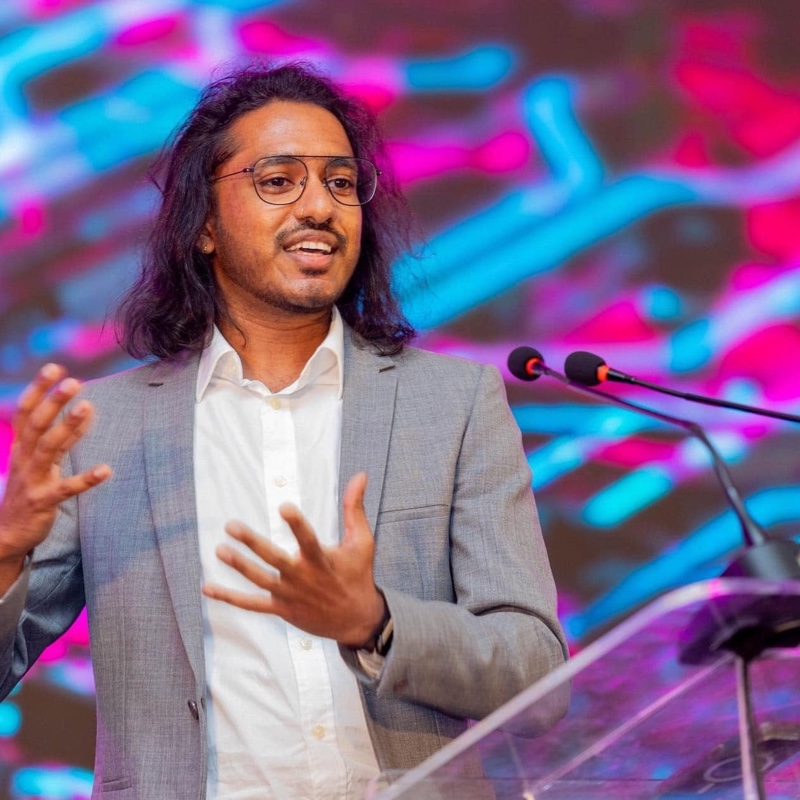
In August 2024, I spoke at the DoIT Summit, held during a period of considerable political change in the country. It was a different audience and a different venue than I had ever pictured for myself as an academic — but it was a genuine pleasure to contribute to the conversation through a research lens.
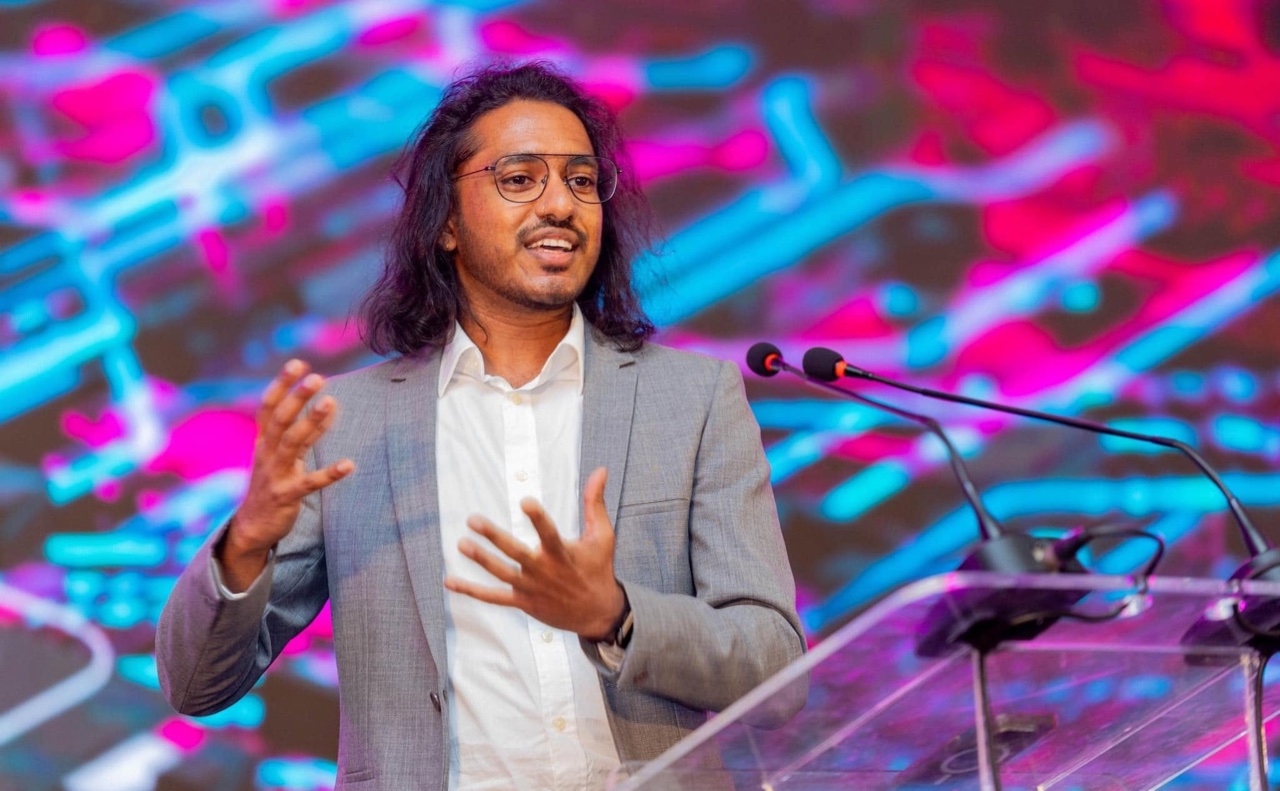
I was invited by Eranga Weeraratne, who has since become the Deputy Minister of Digital Economy, and who at the time was a driving force behind the ICT initiatives within the movement he was part of. I am grateful to him for the opportunity to bring an academic perspective into a wider discussion about the country’s future.
My talk was about how computational modelling can help governments make more tested, evidence-based decisions — decisions that aim for better outcomes for the public. Rather than relying on intuition or ideology alone, models let us simulate policies before they are rolled out, weigh trade-offs, and better understand who a decision helps and who it might affect. Used carefully, this is a tool for more transparent, science-informed policy design.
I delivered the speech in Sinhala, to an audience deeply invested in where the country was heading. I spoke with hope — hope that whoever formed the next government would embrace science-backed, carefully designed policy as a foundation for governance.
The speech is in Sinhala.
Looking back now, I am glad to have taken part in that conversation. Whatever one’s politics, the aspiration I spoke to — that public decisions should be tested, evidence-based and designed with care — is one I hope every government works towards.